Pool Addition: What You Need to Know Before Taking the Plunge
Introduction
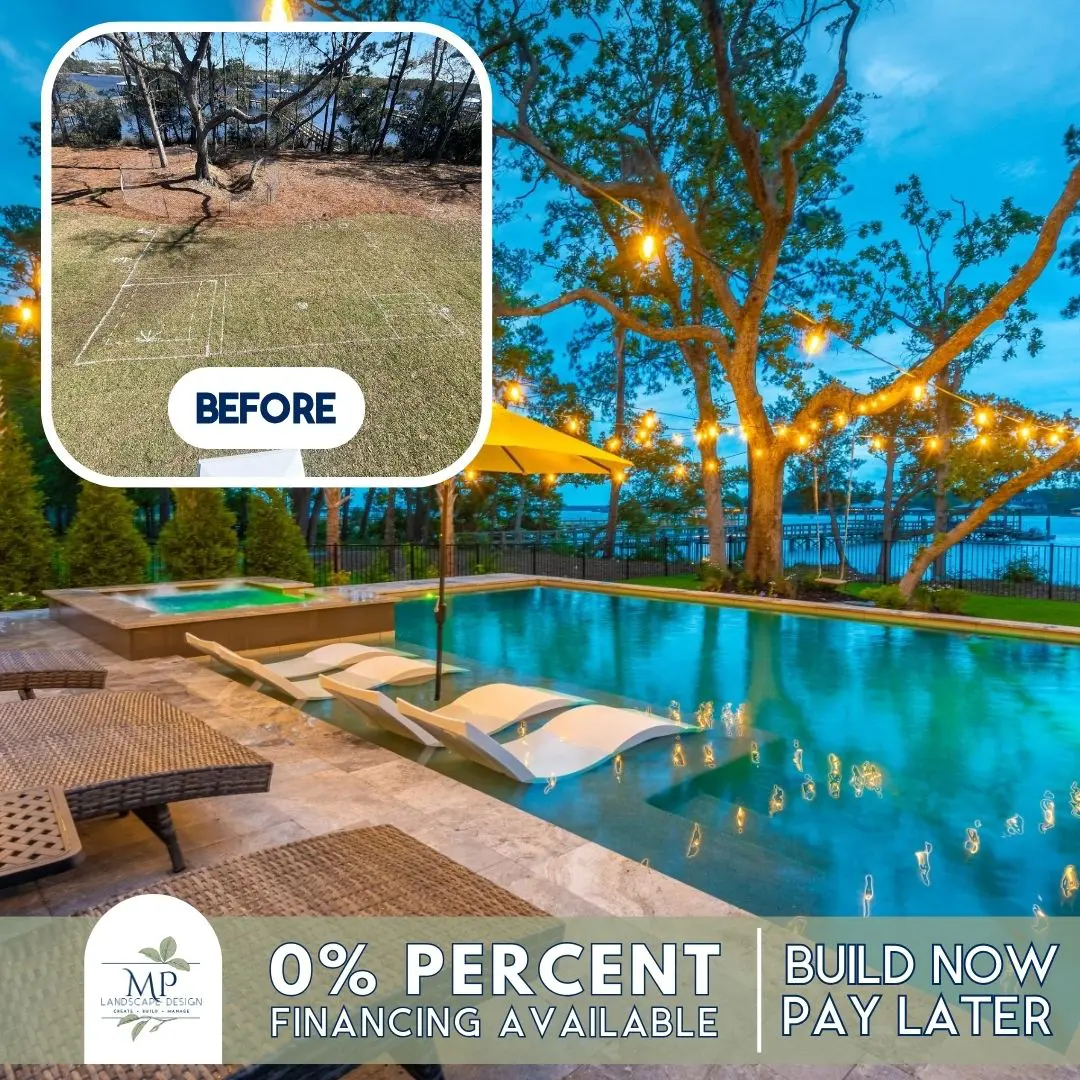
Adding a pool to your property is an exciting project that enhances both your lifestyle and home value. However, the process involves careful planning, budgeting, and decision-making. This guide walks you through the key aspects of pool installation to ensure a smooth experience.
1. Choosing the Right Pool Type
Pools come in various shapes, sizes, and materials. The three most common types include:
- In-Ground Pools: Made from concrete, fiberglass, or vinyl, these offer long-term durability and customization options.
- Above-Ground Pools: More affordable and easier to install but may lack the permanence and luxury of in-ground options.
- Infinity Pools: Ideal for luxury homes, these pools create a visual illusion of water extending into the horizon.
2. Budgeting and Costs
Pool installation costs vary based on size, material, and additional features. Key expenses include:
- Excavation and installation ($30,000–$100,000 for in-ground pools)
- Permits and inspections
- Pool equipment (pumps, filters, and lighting)
- Landscaping and decking
3. Legal and Safety Considerations
Before installation, check local zoning laws, HOA regulations, and safety requirements such as fencing and pool covers.
4. Pool Features and Additions
- Heating Systems: Extend swimming season with solar, gas, or electric heaters.
- Water Features: Waterfalls, fountains, and jets enhance aesthetics.
- Smart Pool Technology: Automated cleaning and lighting systems improve convenience.
5. Maintenance Requirements
Routine maintenance ensures longevity. Tasks include cleaning, chemical balancing, filter maintenance, and seasonal upkeep.
Conclusion
A pool addition can transform your backyard into a private oasis. By considering factors like budget, design, and maintenance, you can make an informed decision that enhances your property for years to come.